
Diabetes, dry mouth and gum health: what to tell your dentist
Tell the dentist if your gums bleed or you need water to swallow dry foods. Diabetes and some medicines can play a part. These details can help your dental and medical teams coordinate care.
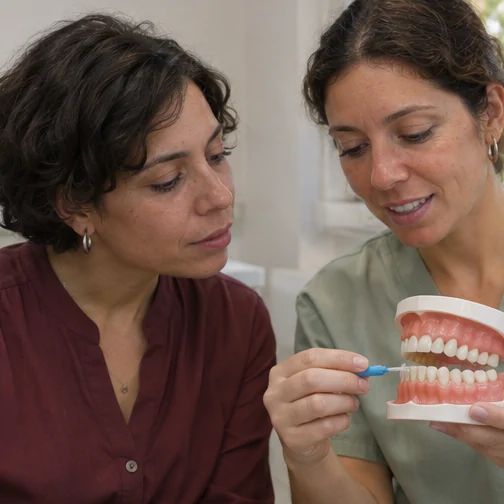
If you have diabetes, mention your gums
Diabetes can increase your risk of periodontitis, particularly when blood glucose is difficult to manage. Gum inflammation can also make glucose control harder. Tell your dentist if your gums often bleed, even if they do not hurt. Dental care and your usual diabetes appointments address different parts of the picture.
Does your mouth often feel dry?
Saliva helps protect teeth. Too little can make dry foods difficult to swallow and increase the risk of decay. Some medicines contribute to dryness. If you noticed it after a change in treatment, make a note of when it began and bring your medication list. Keep taking prescribed medicines as directed until you have discussed a change with the prescriber.
Which details about dryness help?
Waking thirsty on one occasion is different from regularly needing water to speak, swallow bread or get through the night. Note when it happens, whether it wakes you up and if it followed a new medicine or a dose change. The dentist can examine the mouth lining and areas where decay has appeared. More than one factor may be involved. Include non-prescription products on your medication list.
What to try while looking into dry mouth
Keep water nearby and take small sips during the day. Sugar-free gum may stimulate saliva if chewing is comfortable. Sugary sweets or drinks bring brief relief but increase exposure to sugar. If dryness persists or makes eating difficult, arrange an assessment. You can discuss saliva substitutes and ways of preventing decay that fit your symptoms.
When dryness changes the way you eat
If you have stopped eating toast because it sticks or need water midway through a conversation, say exactly that. Mention soreness, redness or changes in taste as well. Examining those symptoms helps the team decide whether to adapt daily care or involve another professional.
What is worth sharing?
Tell us about diagnoses or changes to your medicines since your last visit. Bleeding gums alone cannot tell you whether you have diabetes, and a dental clean does not replace medical follow-up. If dryness or bleeding keeps returning, describing when it happens is a useful starting point.
Coordinating medical and dental care
If you have diabetes and need gum treatment, tell the dental team about recent health changes and advice from your medical team. Your dentist can explain the inflammation they have found and how it responds to care. Your medical team continues to assess your glucose and medication. Our gingivitis and periodontitis guide explains what an examination can tell you about bleeding gums or a loose tooth.