
Skiing, cycling and contact sports in Andorra: choosing a mouthguard
A useful mouthguard stays in place without constant clenching. It should let you breathe and communicate, whether you're on a trail, on the slopes or at team training.
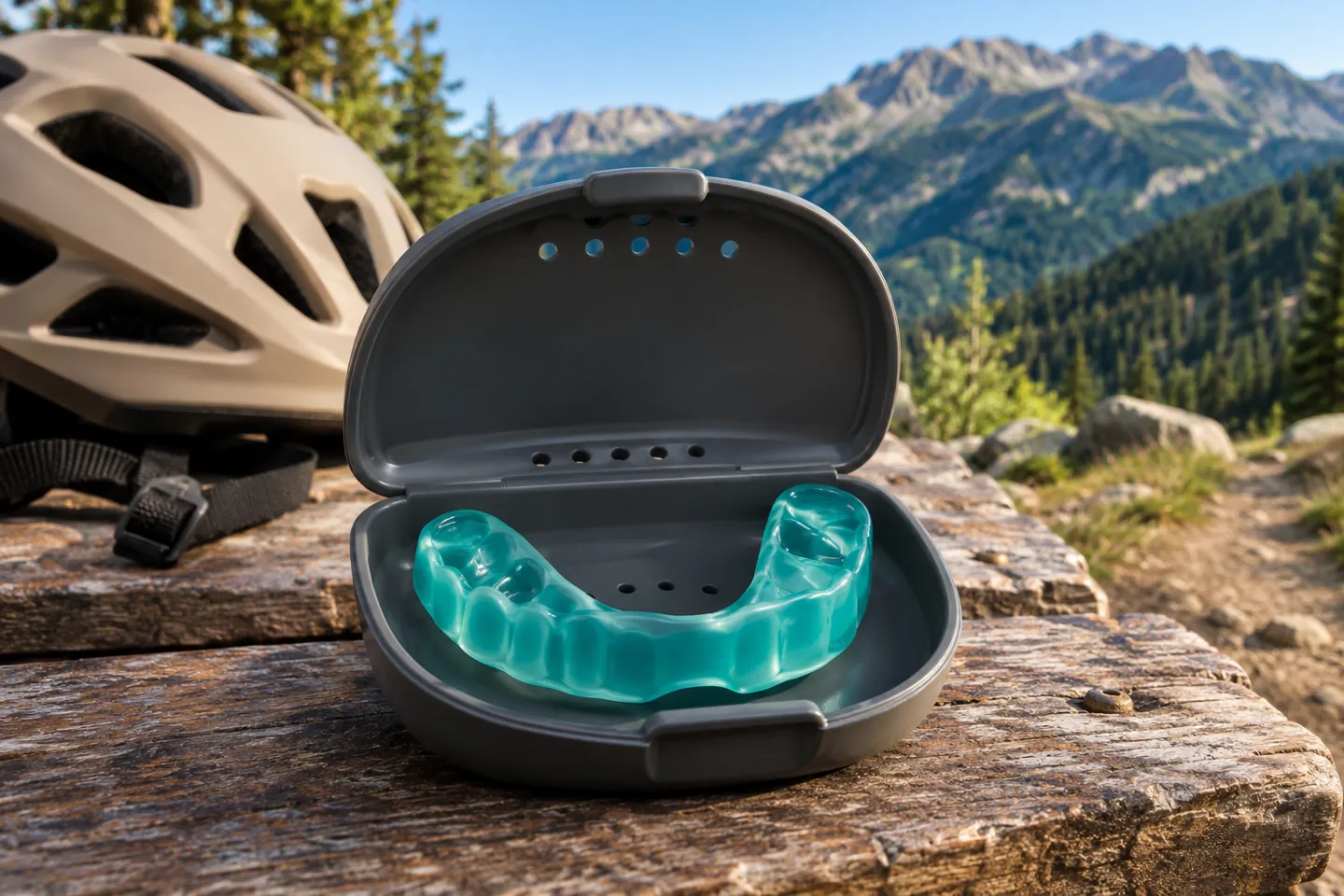
Think about the likely impact
In rugby or hockey it may be another player. On a bike or skis it could be a fall or an impact with the handlebars. A guard cushions some of the force on teeth and soft tissues and complements a helmet where appropriate. Check your club or competition rules as well.
Stock, mouldable or custom-fit?
A stock guard comes preformed and is usually least expensive. A boil-and-bite model is shaped following its manufacturer's directions. A custom guard is made from a record of your teeth so its thickness and edges can be tailored. Open your mouth, speak and take a few breaths. If the guard falls out, cuts into your gum or needs continuous clenching, have the fit checked.
Braces and growing mouths
Teeth move with braces and when adult teeth erupt. A guard that fitted earlier in the season may become tight. Check compatibility before moulding anything over brackets. A sports guard serves a different purpose from an aligner or orthodontic retainer. Bring the appliances you use so we can tell you what to wear for training.
A simple check before the season
Try saying something you'd call out to a teammate. Open your mouth and breathe. The guard should stay in place. If a child takes theirs out during games, ask where it pinches. A long edge may be easier to fix than persuading them to tolerate it.
Looking after it and dealing with a fall
Rinse it in cool water, dry it in a ventilated case and keep it out of a hot car. Replace or check a torn, loose or tight guard. If a tooth is broken, loose or your bite changes after a fall, seek dental advice promptly even if you wore one. Bring your guard to Art Dent and tell us your sport and training routine. We can check how well it fits the mouth it is meant to protect.
Care after a recent dental injury
Sources